Trump brings Apple, Nvidia and Musk to Xi talks as AI chip stakes get serious
Donald Trump’s Beijing meeting with China’s Xi Jinping is suddenly looking less like a normal diplomatic summit and more like a high-stakes tech industry boss fight.
According to Ars Technica, Trump is heading into two days of talks with limited leverage, after several major policy bets did not land the way his administration hoped. His earlier plan depended on calming conflicts abroad, pushing through tariffs, and quickly reducing US reliance on foreign supply chains. Instead, experts quoted in the report argue that China now enters the meeting in a stronger position.
So Trump is bringing backup: Apple CEO Tim Cook, Tesla and SpaceX boss Elon Musk, and Nvidia CEO Jensen Huang are all expected to be part of the Beijing trip.
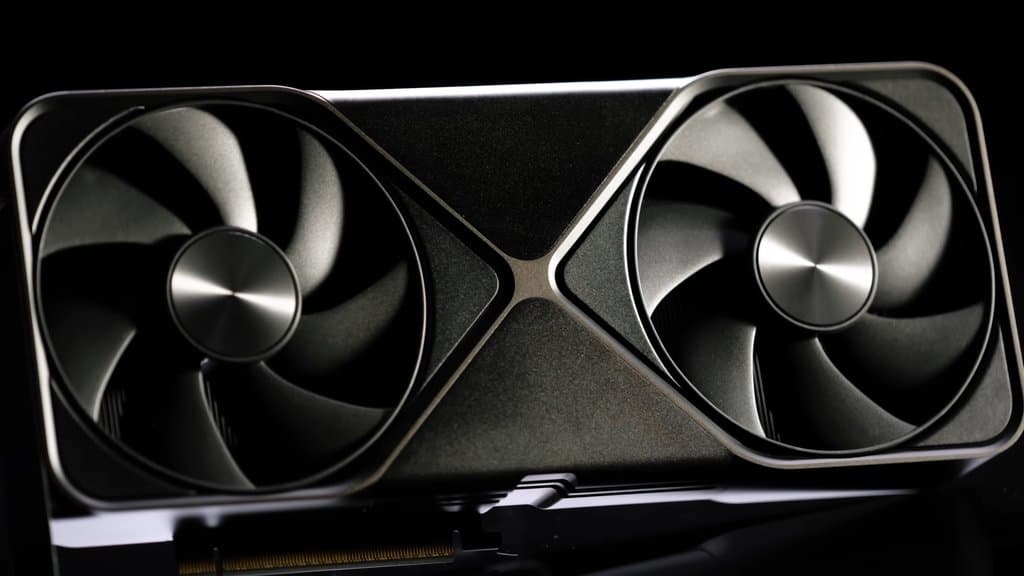
That guest list matters because the summit is no longer just about tariffs. AI has been added to the agenda, and the US-China tech rivalry is now sitting right in the middle of the conversation. Nvidia’s chips remain a key weapon in the AI race, while US tech companies still depend heavily on China-linked supply chains and rare-earth exports.
For Malaysian and SEA readers, this is not some faraway Washington drama. Anything that affects Nvidia chips, semiconductor supply, or Taiwan stability eventually hits our side of the world too. Gaming laptops, GPUs, handheld PCs, AI servers, creator hardware, phones, and even esports production pipelines all sit on the same global tech stack. If US-China tension gets worse, prices and availability can get sakit kepala fast.
The awkward part for Trump is that China has not exactly rushed to buy Nvidia’s high-end chips, even after Huang previously convinced the US that certain sales to China would be safe. Beijing has also been pushing harder to grow its own domestic chip industry so it does not have to depend on American suppliers forever.
That is why some China hawks in Washington are worried. Critics quoted by Reuters and Ars argue that allowing Nvidia to sell more advanced chips to China could reduce America’s AI lead while giving Beijing more room to catch up. Former Biden official Chris McGuire said Huang’s invitation should raise questions, because more chips for China could mean fewer chips for US firms.
The even bigger issue is Taiwan.
China wants Trump to talk about Taiwan, and experts believe Xi may push for a shift in how the US describes its stance. The US has historically avoided formally recognising Taiwan independence while still supporting Taiwan’s ability to defend itself. Beijing has reportedly wanted Washington to move from saying it does not support Taiwan independence to saying it opposes it.
That wording may sound small, but for Taiwan it is huge. A softer or more ambiguous US position could change how Beijing calculates risk around military action. Taiwan is also central to the chip world, producing more than 90 percent of the most advanced semiconductors globally.
Trump’s own Taiwan messaging has been messy. He has accused Taiwan of taking America’s semiconductor business, approved a major arms package for Taiwan, and also pushed Taiwan to move a large share of its chip manufacturing to the US. Ars also notes that Trump recently said whether Xi invades Taiwan is up to him, which adds more uncertainty.
Most experts expect the US and China to extend their temporary trade truce, because both sides benefit from avoiding another economic blow-up. But the concern is what Trump may give up to get a clean-looking summit win.
For gamers, tech buyers, and esports operators in Malaysia, the key thing to watch is whether this meeting cools tensions or creates more uncertainty around chips. If Taiwan, Nvidia, and rare earths become bargaining chips, the effects will eventually roll down to GPU prices, laptop launches, AI services, and the hardware powering our scene.
Source: Ars Technica