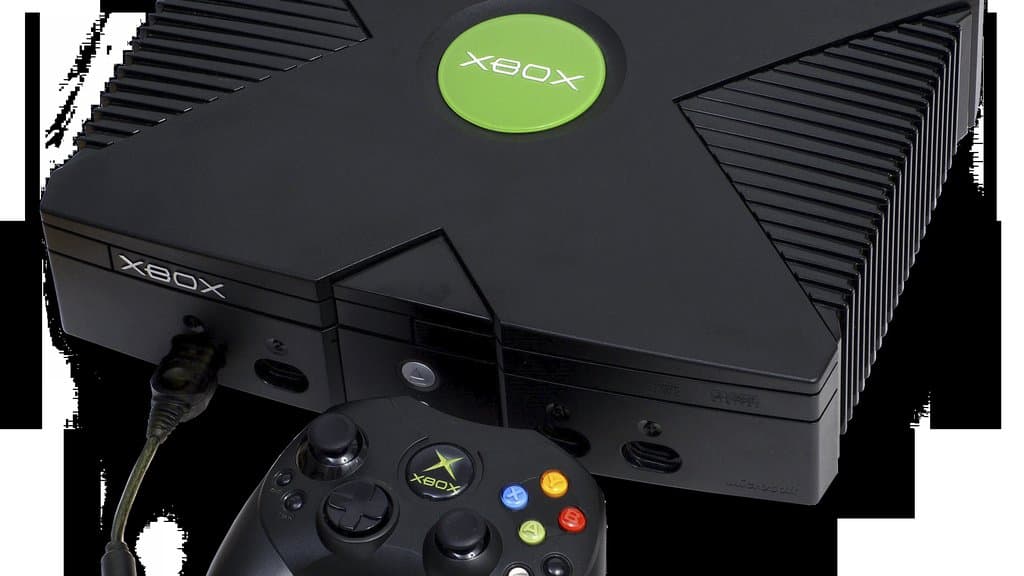
Xbox’s comeback plan starts with fixing the basics, not chasing hype
Microsoft’s Xbox reset is starting to look less like a marketing slogan and more like an actual rebuild.
According to The Verge, Xbox CEO Asha Sharma recently gathered hundreds of employees at Microsoft’s Studio D for an internal town hall built around the idea of the “return of Xbox.” The message was simple: Xbox has lost some trust, especially among its core players, and the company needs to earn it back through better hardware, better games, a stronger platform, and sharper services.
For Malaysian and SEA gamers, that matters because Xbox has always been in a weird spot here. PlayStation dominates living rooms, Nintendo owns the portable family/fun lane, while PC and mobile are massive. Xbox has Game Pass, yes, but if the console experience feels stagnant and the PC app feels clunky, ramai players here will just stick to Steam, PS5, Switch, or mobile esports titles.
Xbox wants to fix the daily experience first
One of the biggest points from Sharma’s all-hands was that Xbox needs to repair the fundamentals on both console and PC. Internally, she acknowledged that players are unhappy with how slowly the console experience has evolved, and that Xbox’s PC presence still is not strong enough.
That is the right diagnosis, honestly. Xbox has plenty of big-picture strategy — Game Pass, cloud, PC, cross-platform publishing — but a lot of players just want the simple stuff to feel better. Faster navigation. Better updates. Cleaner PC integration. Less friction before actually playing the game.
The Verge reports that Sharma has pushed engineering teams toward fan-requested console features and promised console updates every two weeks until the end of the year. That cadence is interesting because Xbox used to be known for frequent feature drops, then went relatively quiet. If Microsoft actually keeps this rhythm, Xbox owners should start feeling improvements much sooner instead of waiting for some giant next-gen reveal.
Xbox is also reportedly dropping the broader “Microsoft Gaming” label internally and returning to a simpler Xbox identity. Small branding change, sure, but internally it sounds like staff liked it. After years of corporate reshuffles, “we are Xbox” is probably the kind of rallying cry the team needs.
Exclusives are still the spicy part
The uncomfortable topic is exclusivity. More than two years ago, Microsoft started bringing selected Xbox games to PlayStation 5 and Nintendo Switch as part of a wider plan to grow gaming revenue beyond Xbox consoles. That strategy, reportedly codenamed Project Latitude, made business sense but confused hardcore Xbox fans.
Now Sharma has told employees that Xbox will reassess how it handles exclusives. No major promise yet, and The Verge says she is being careful about it. That is probably wise, because this is where Xbox can easily annoy everyone: console loyalists want reasons to stay, while Microsoft also wants bigger audiences across platforms.
For SEA players, this could actually be a win if handled properly. Many gamers here do not own every console. If more Xbox-published games land on PS5, Switch, or PC, access improves. But if Xbox wants people to buy into its ecosystem, it also needs clear messaging. The last few years have felt blur — are Xbox consoles still central, or just one box among many?
Project Helix is the bigger question
The next Xbox console, reportedly codenamed Project Helix, is still some distance away. Alpha units are expected to reach developers in 2027, and Microsoft has said the machine will focus on performance while supporting both Xbox and PC games.
That sounds promising, but also raises the obvious question: what exactly is the next Xbox? A traditional console? A PC-like box? Something running Windows underneath with an Xbox-style interface on top?
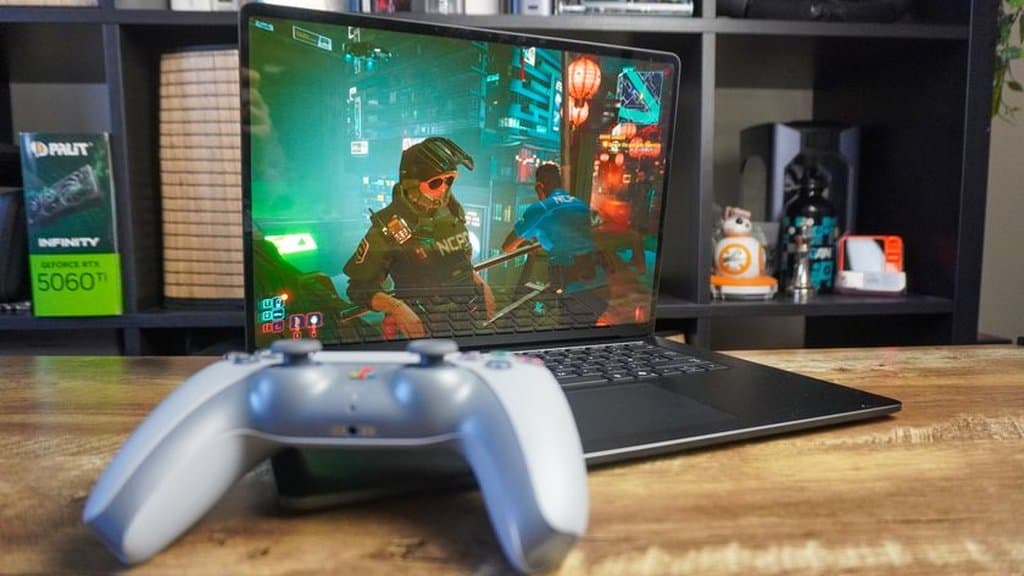
The answer matters for Malaysia because pricing and availability can make or break hardware here. If Microsoft wants Xbox to be “affordable” while hardware costs remain under pressure, it may lean more on partners like Asus. The Xbox Ally devices already point toward that direction: Windows at the core, Xbox-like experience on top, and more choice beyond one standard console.
New leaders, less Copilot noise
Sharma is also reshaping the Xbox platform team. The Verge reports that Jared Palmer is joining as VP of engineering and technical adviser, while Tim Allen will lead design. Jonathan McKay and Evan Chaki are also moving over from CoreAI. At the same time, Microsoft is stopping work on Copilot for Xbox consoles and scrapping a mobile Copilot gaming feature.
That last bit should calm some players. Nobody asked for AI to invade their Xbox dashboard before the basics are fixed. If these leadership moves help Xbox ship better platform updates faster, bagus. If it becomes another corporate AI detour, players will smell it instantly.
For now, Xbox’s comeback plan sounds grounded: fix the console, fix PC, clarify games, and make the next hardware ecosystem make sense. Not glamorous, but maybe that is exactly what Xbox needs.
Source: The Verge